
Queens, NY
Commercial Demolition in Queens
Storefronts, offices, restaurants and warehouse floors stripped out to a schedule, in buildings where other tenants are still working and the loading happens from a rear alley or at the curb under the train.
What commercial demolition covers here
The commercial work in Queens is mostly strip-out: a space taken back to its shell between one tenant and the next, or ahead of a fit-out.
That means storefronts on Roosevelt, Jamaica and Liberty Avenues under and beside the elevated lines, the shopping strips of Queens Boulevard and Northern Boulevard, restaurants under occupied apartments, office floors and new-tower fit-outs in Long Island City, and warehouse and industrial space in Maspeth and Long Island City. Partitions, ceilings, floor finishes, fixtures, millwork, kitchens, storefront systems where they are changing, and the redundant services behind all of it.
We work for tenants clearing a space at the end of a lease, landlords turning a unit over, and the general contractors and construction managers running the fit-out that follows. On most jobs the fit-out date is fixed before we are called, and the job is planned backwards from it.
Strip-outs that fit a schedule
A commercial strip-out has a date at the end of it that somebody else is depending on. The fit-out crew is booked, the tenant has a lease start, the landlord has a rent-free period running down. Our job is to hand over a clean shell on that date, and the way to do it is to settle the constraints before the first day rather than discover them in the second week.
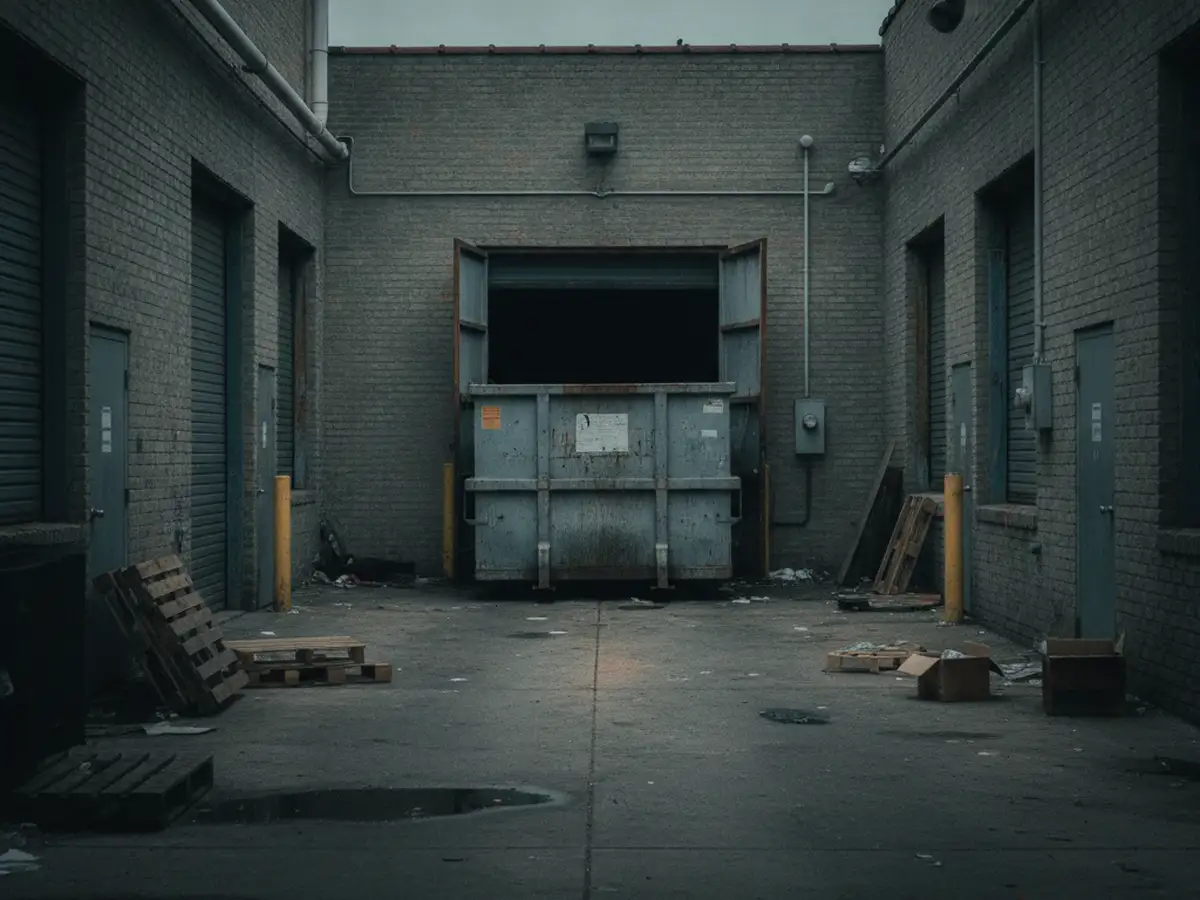
The constraints are the building's. On an avenue under the train, loading is from the curb in the hours the street allows, or from a rear service alley if the strip has one, and a container needs either a spot in the lot behind or a permit at the curb. In a Long Island City office building there is a freight elevator, a loading dock with its own booking sheet and a building engineer who decides when noisy work happens. In a Maspeth warehouse there is a loading bay and a floor plate you can move around, and it is the easiest commercial route out in the borough.
We walk the space with whoever holds the schedule, price the actual scope, and put the sequence in writing with the dates on it. If the building's freight hours mean the job takes eight working days rather than five, you know that before you sign, not after.
01 Under the train
The avenues, and what the block allows
A storefront under the elevated line on Roosevelt or Jamaica Avenue has apartments above it, a neighbour trading on each side, and a sidewalk that is the only way in and out.
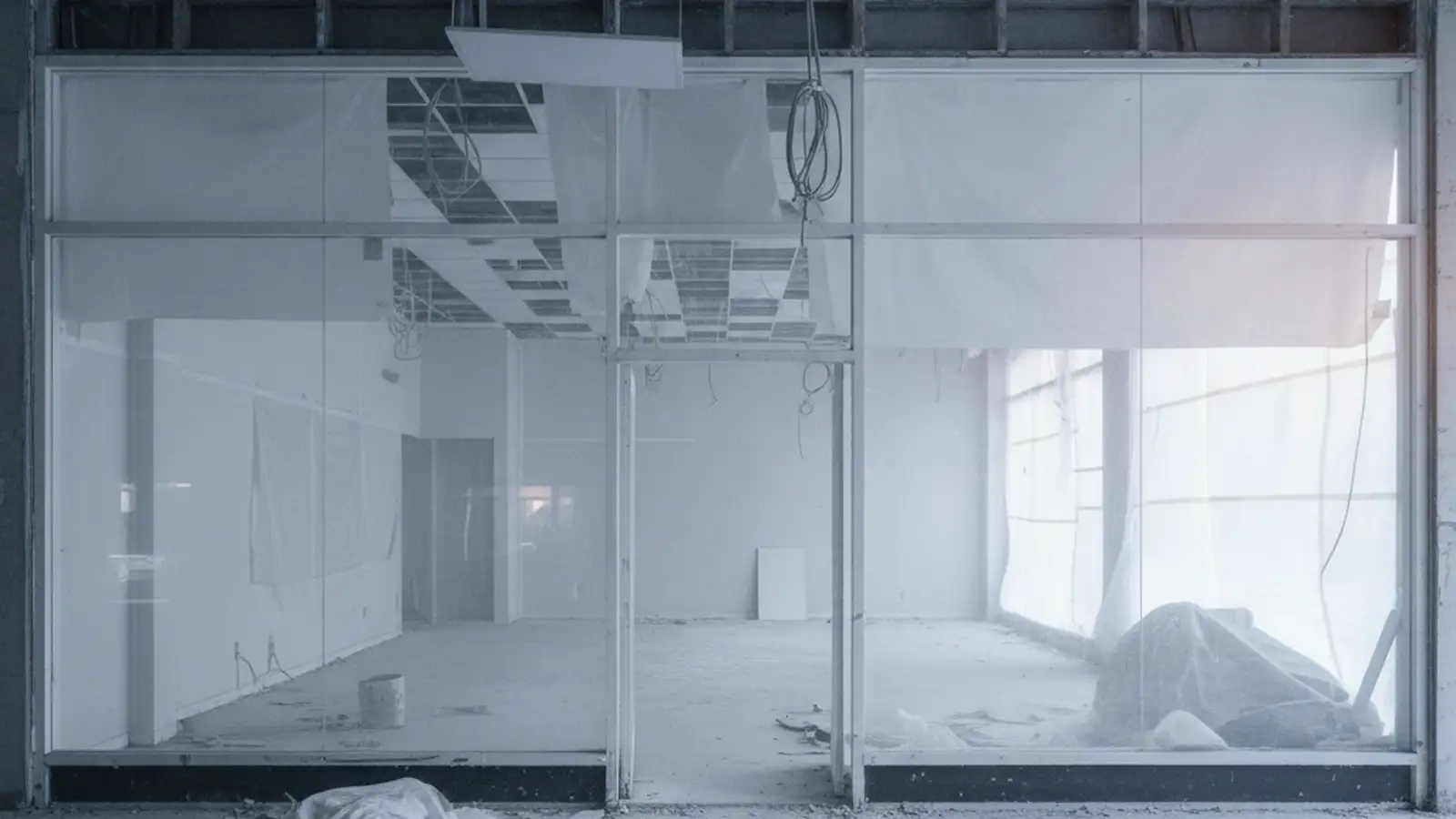
The shopfront gets papered from inside on day one, so the strip-out is invisible from the street. Material moves through the shop to the curb in the hours the street and the building allow, or out the back where the strip has a service alley, which most of the boulevard strips do. Restaurants add grease-laden ductwork, kitchen equipment and a floor that has usually been built up several times over, all of which change the number.
A stripped commercial floor
What we hold to on a live floor
The tenants who are staying
Work is phased so that the neighbouring units, or the other floors of the building, keep trading. Noisy work is grouped into the windows the building gives us.
Dust and the shared corridor
Openings sealed, the corridor protected, negative pressure where the building or the scope calls for it. The shop next door should not know the work is happening until it sees the new fit-out.
Hours
Construction work runs 7:00 AM to 6:00 PM on weekdays. Anything outside that needs an After Hours Variance filed a few business days ahead, and the building's own rules on top.
Services left live
Risers, sprinkler mains, the neighbour's meter and anything the fit-out is keeping are identified, tagged and protected before the ceiling comes down.
Common questions
How long does an office strip-out take?
It depends far more on the building than on the square footage.
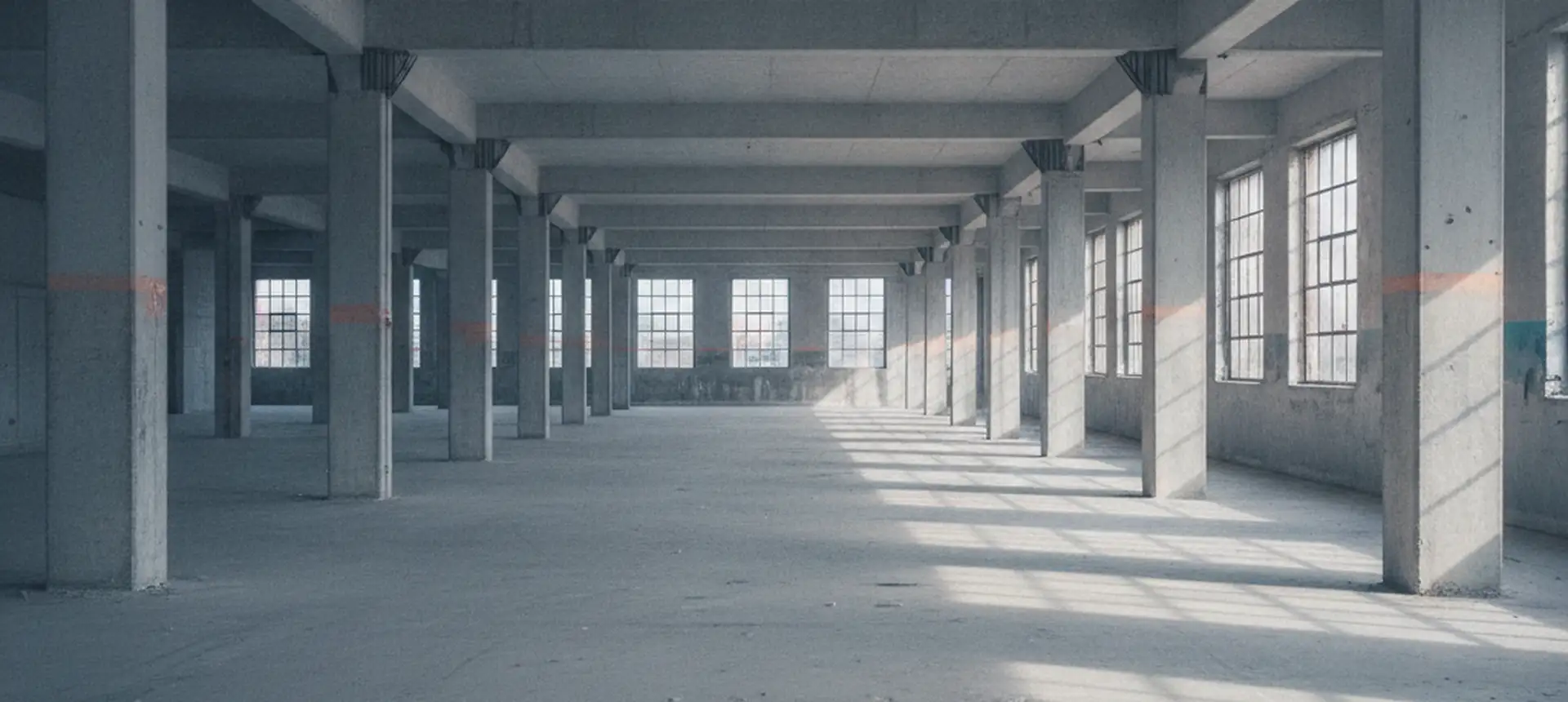
A single-storey unit in a boulevard strip with a container in the lot behind can be stripped in a few days. The same area on an upper floor of a Long Island City office building, leaving through a freight elevator in booked windows, with a ceiling grid, raised floor and a fit-out's worth of partitions, takes longer, and the freight schedule is usually the thing that sets it.
Tell us the building and the date you are working to, and we will tell you on the first call whether the two fit.
Can you phase the work around tenants who are staying?
Yes, and in an occupied building it is the normal way to work rather than a special request.
We agree the sequence and the hours with the landlord or the managing agent, group the noisy work into set windows, protect the shared corridor and the lobby, and keep material moving out rather than staged where anyone else has to walk past it. The tenants who are staying should be inconvenienced for known hours on known days, not surprised.
Can you work nights or weekends?
Only with an After Hours Variance from the Department of Buildings, and only if the building allows it.
Construction work runs 7:00 AM to 6:00 PM on weekdays. Work outside that needs a variance filed a few business days ahead, covering days inside a fourteen day window. Some commercial buildings prefer after-hours strip-out because it keeps the working day clear for their other tenants. Some residential buildings with shops below refuse it outright. We will tell you which applies before we price it.