
Queens, NY
Where We Work in Queens
We are based on 162nd Street in Jamaica Hills and we take demolition work across the borough. Queens is not one job, so here is what actually changes from one part of it to another.
What changes is the building, not the address
A demolition estimate is really an estimate about access, material and hours. All three are set by the kind of building you are in, and Queens has more kinds of building than any other borough.
A two-family with a driveway in Hollis, a co-op tower in Rego Park with a booked service elevator, a pre-war walk-up in Astoria, and a Long Island City office floor with a freight elevator and a fit-out date are four different jobs even when the scope on paper is identical. That is the difference worth knowing about, so that is what the sections below describe.
01 Our own blocks
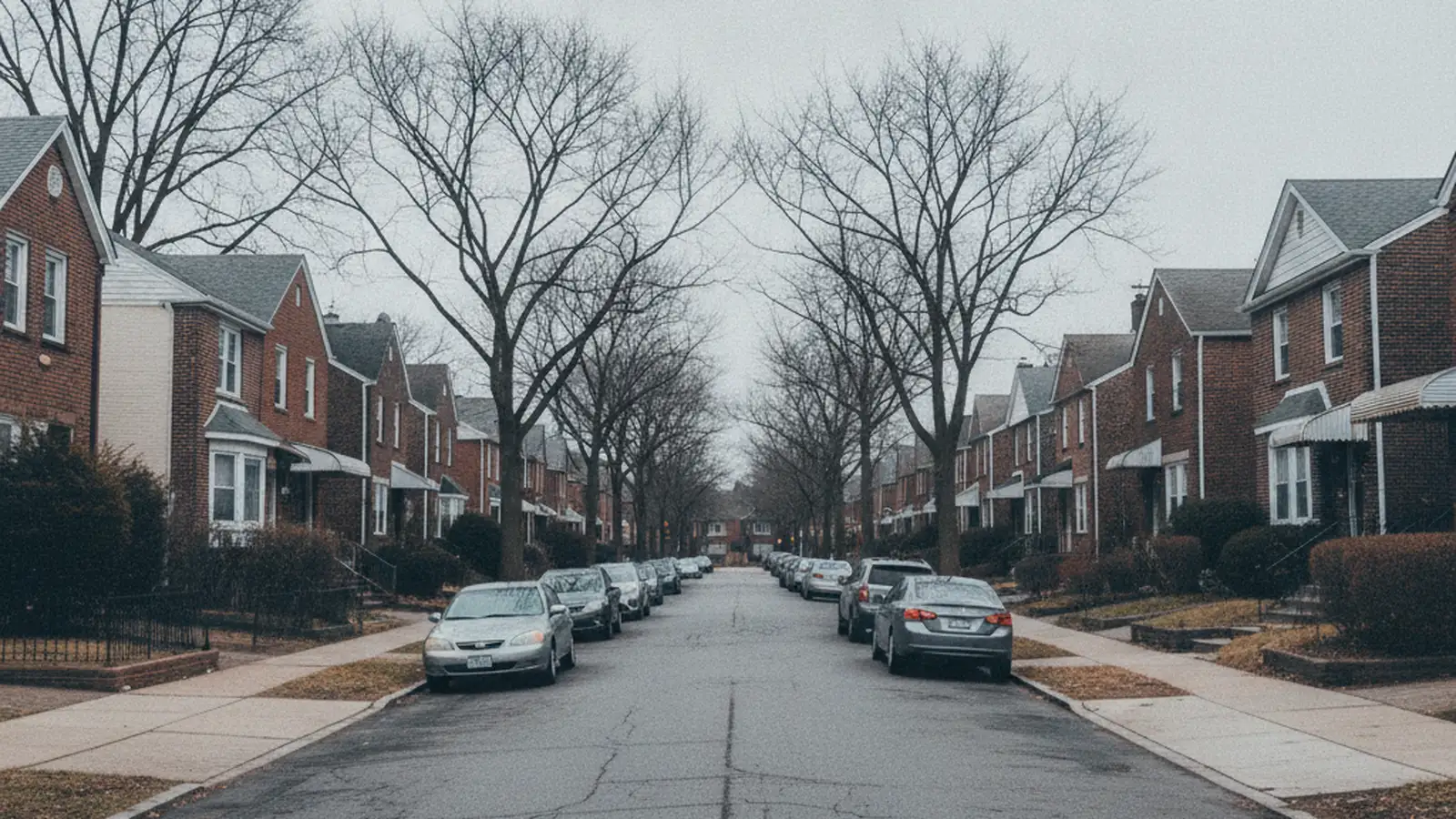
Jamaica, Hollis, St. Albans and Richmond Hill
Detached and attached one- and two-family houses with driveways and small yards, and the Jamaica Avenue strip under and beside the elevated line.
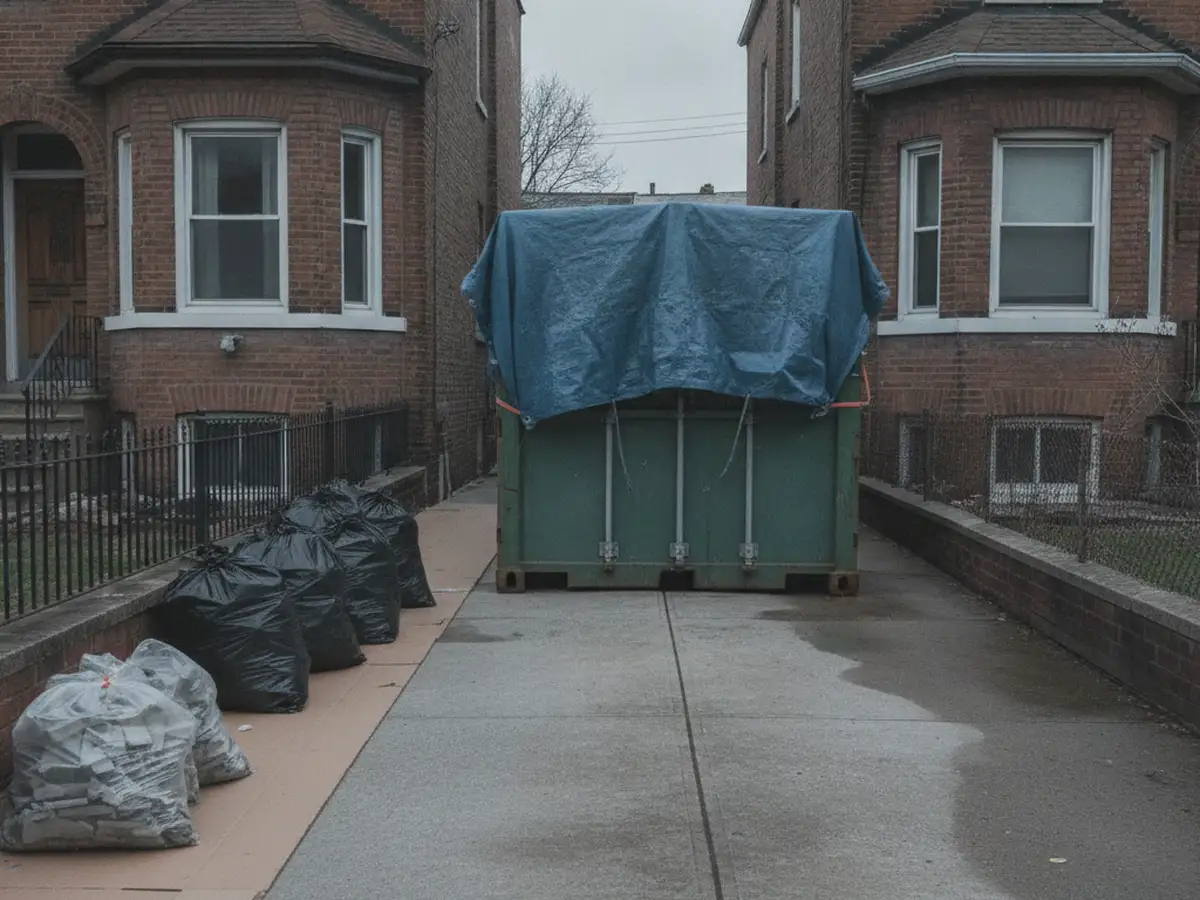
In the houses the container goes in the driveway and material leaves by the side or back door, which makes these among the simplest jobs in the city. The neighbour is a few feet away, so the hours matter more than the route. On the avenue the storefronts load from the curb under the train or from a rear alley.
Our own premises are at 80-46 162nd St, Jamaica, NY 11432, in the middle of it.
02 The north
Flushing, Bayside, Whitestone and Fresh Meadows
Houses with driveways along the side streets, and large co-op complexes and garden-apartment estates in between, with Flushing's dense commercial core at the centre.
The houses run like our own blocks. The co-ops run on management: a service entrance, an alteration agreement, an elevator booked by the hour and a lobby that a hundred households pass through every morning. Downtown Flushing adds the tightest loading in the borough.
03 The co-op belt
Forest Hills, Kew Gardens and Rego Park
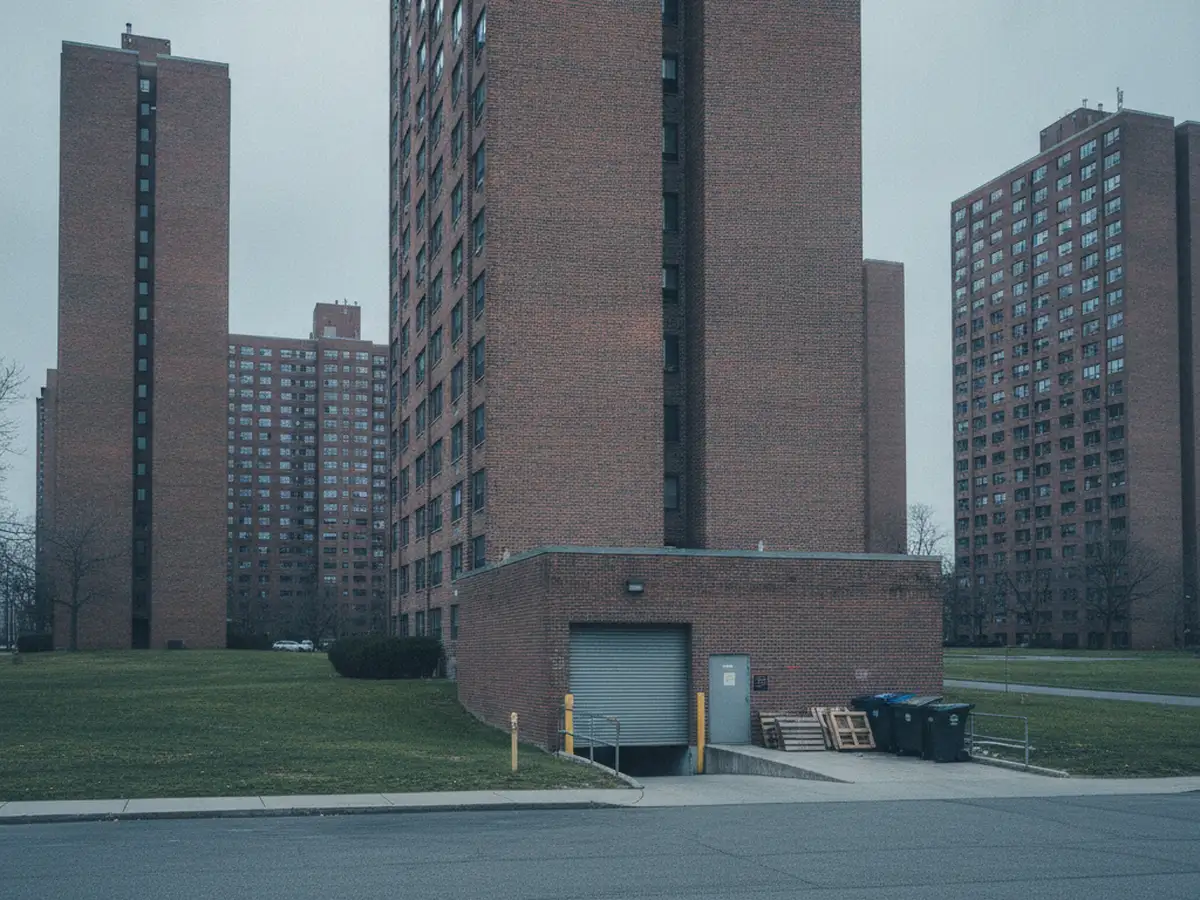
Co-op towers, garden apartments and the borough's finest pre-war elevator buildings, plus the private streets of Forest Hills Gardens.
Nearly every job here goes through a board and a managing agent before it goes through us. The alteration agreement sets the hours, the elevator windows and the protection, and it is usually stricter than the city. We read it before we quote, because it decides the schedule more than the scope does.
04 Under the train
Astoria, Jackson Heights, Sunnyside and Woodside
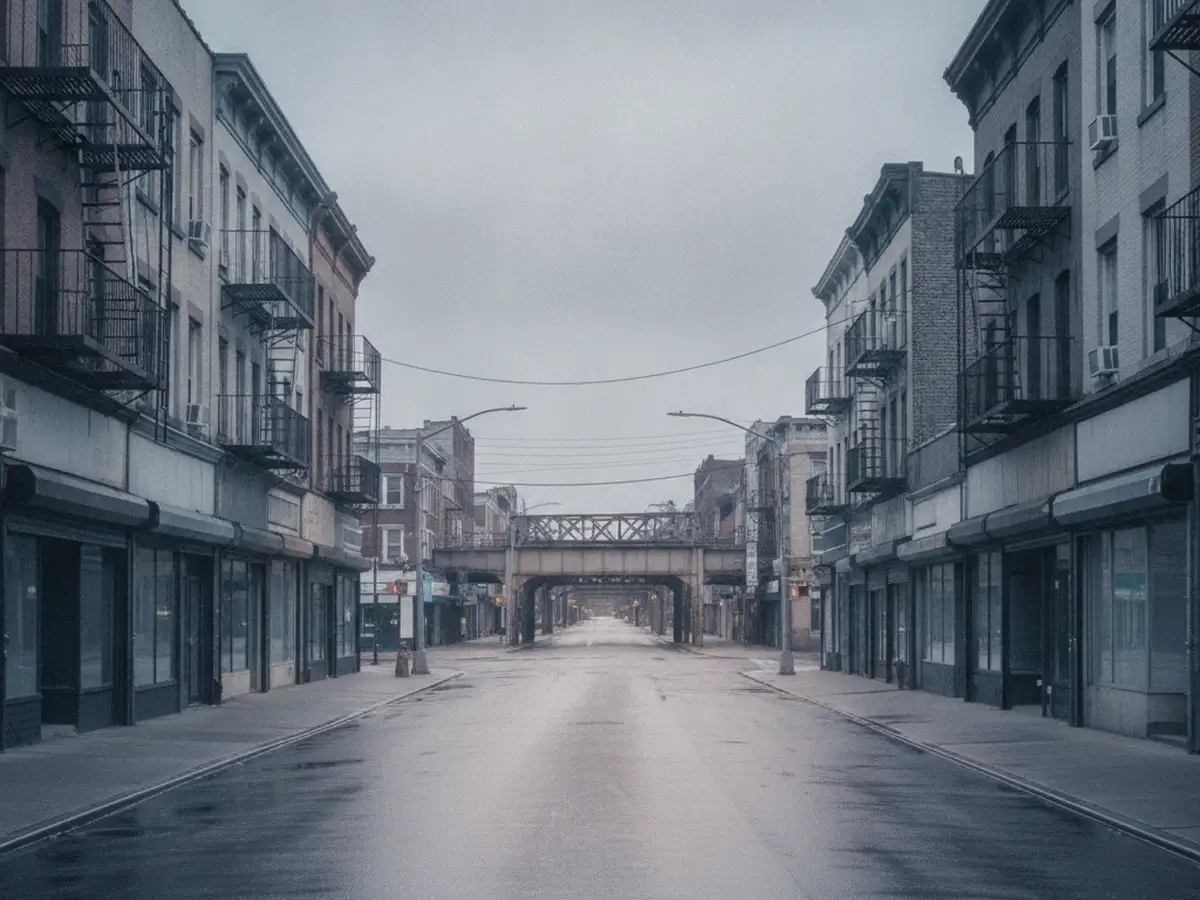
Pre-war six-storey buildings with one passenger elevator and no freight, walk-ups where everything leaves by the stair, and the Roosevelt Avenue strip under the elevated line.
Jackson Heights and Sunnyside Gardens are historic districts, so a permitted interior job files with Landmarks first. For a strip-out that leaves protected features alone that is a Certificate of No Effect, staff level and usually about ten business days. In the pre-war buildings the one elevator is shared with everyone who lives there, so material moves in the windows the super releases, through a protected cab.
05 The waterfront
Long Island City
Office floors, new residential towers and warehouse conversions, with Hunters Point's historic district among them.
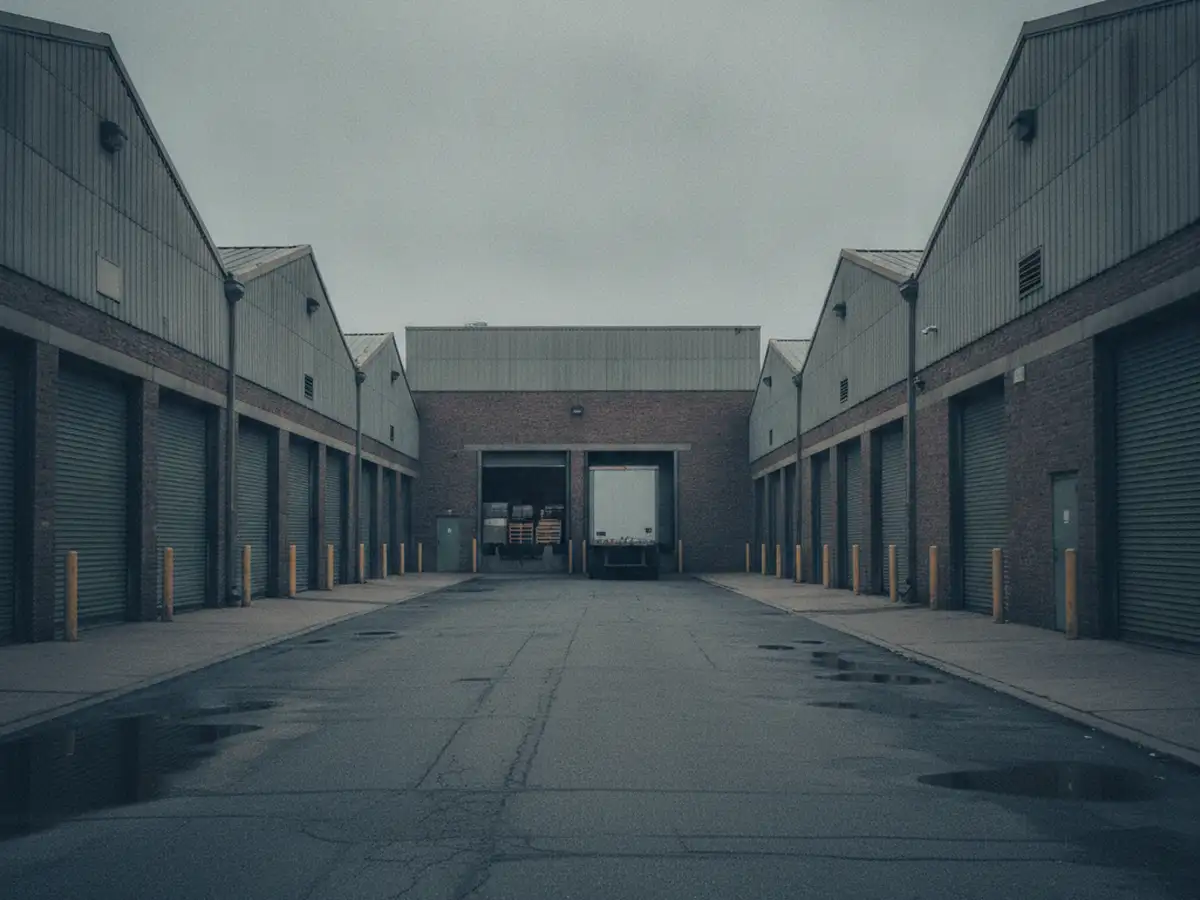
This is the part of Queens that runs like Manhattan: a freight elevator, a loading dock with its own schedule, a building engineer, and a fit-out date the whole job is planned backwards from. The warehouses in the industrial blocks are the opposite, with a loading bay and a floor plate you can move around, and they are the easiest commercial route out in the borough.
06 The border
Ridgewood, Middle Village, Maspeth and Glendale
Attached brick houses in long rows, many of them in Ridgewood's historic districts, beside the Maspeth industrial belt along the Brooklyn line.
The attached houses have no driveway, so the container sits at the curb with its permit and material leaves through the front door over protected floor. The warehouses next door load from a bay. The two kinds of job sit within a few streets of each other and are priced completely differently.
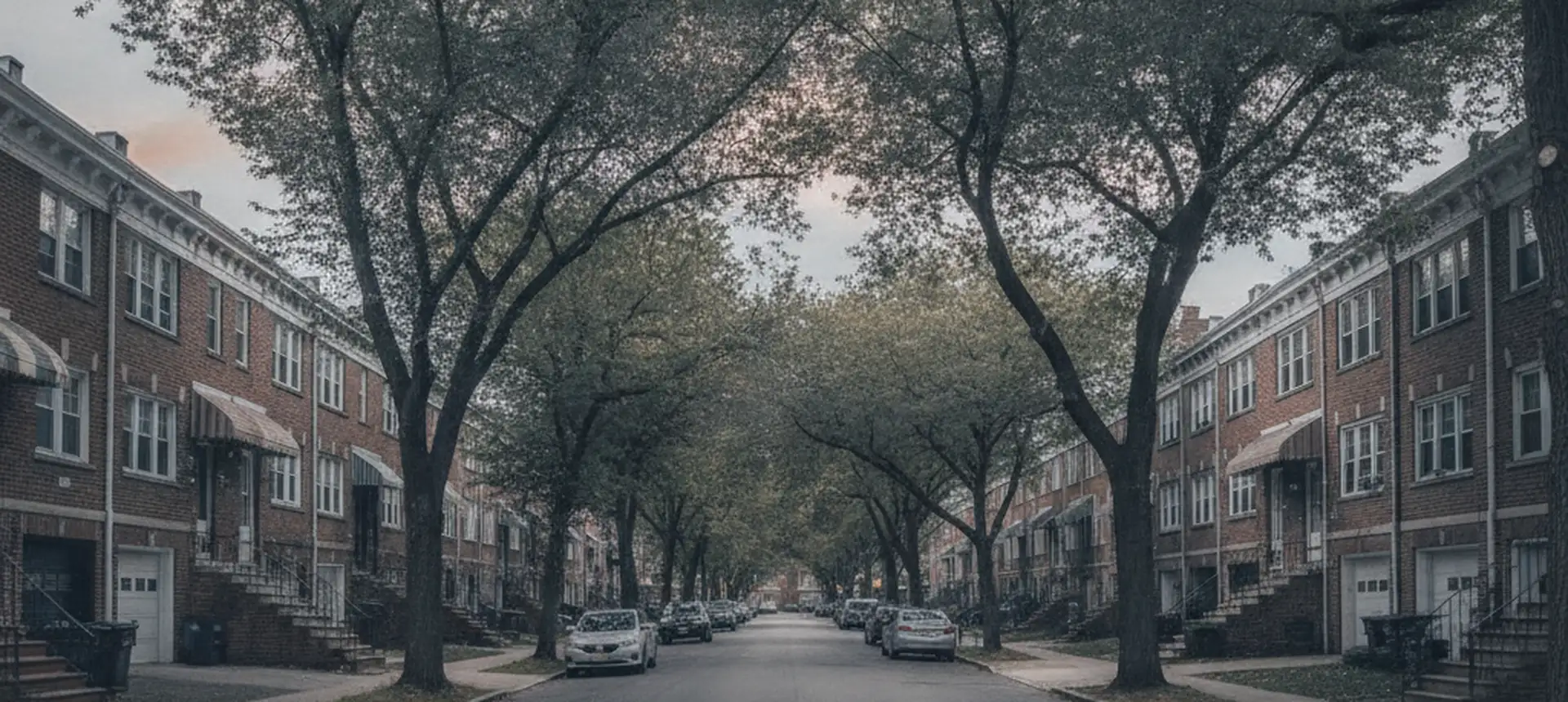
A Queens side street
We work across Queens. The industrial stretches of Maspeth and Long Island City are covered on the commercial page, because the work there is warehouse strip-out. If you are just outside the borough, our other sites cover the rest of the city, and the number on this page reaches the same people.